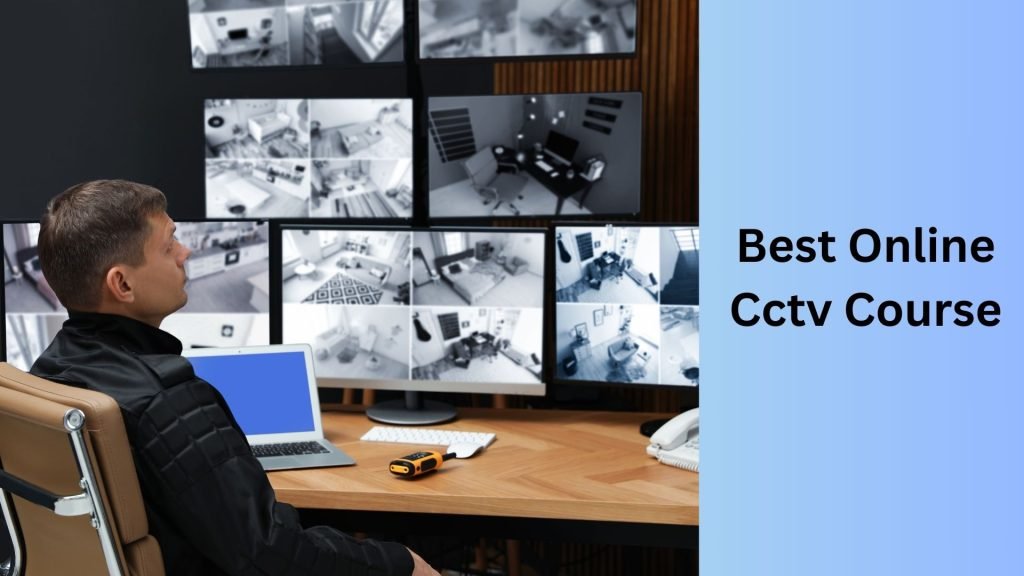
Attention all aspiring security professionals! Are you ready to step into the world of CCTV surveillance? In today’s digital age, the demand for skilled CCTV operators is skyrocketing.
Interest piqued? You’re not alone. The field of CCTV licensing is a maze of regulations, requirements, and responsibilities. But fear not!
This comprehensive guide will navigate you through the intricate landscape of CCTV licensing requirements.
Desire to become a certified CCTV operator? By the end of this article, you’ll be armed with the knowledge to take that crucial first step. Action awaits – let’s dive in and uncover the secrets to mastering CCTV licensing!
Understanding CCTV Licensing
What is CCTV Licensing?
CCTV licensing is a legal requirement for individuals who operate surveillance cameras in public spaces. It ensures that operators are trained, competent, and aware of their legal and ethical responsibilities. But why is it so important?
Did you know? According to the British Security Industry Association (BSIA), there are an estimated 5.2 million CCTV cameras in the UK as of 2020. That’s approximately one camera for every 13 people!
The Importance of CCTV Licensing
- Legal Compliance: Operating without a license can result in hefty fines and legal consequences.
- Public Safety: Trained operators can effectively monitor and respond to potential threats.
- Privacy Protection: Licensed operators understand the importance of data protection and privacy laws.
- Professional Standards: Licensing ensures a consistent level of competence across the industry.
CCTV Licensing Requirements: Breaking It Down
Who Needs a CCTV License?
You need a CCTV license if you:
- Monitor public spaces using CCTV systems
- Work in a control room overseeing multiple cameras
- Use CCTV for the purpose of guarding, protecting, or securing people, property, or premises
Important Note: Not all CCTV roles require a license. For example, if you’re only installing or maintaining CCTV systems without monitoring live footage, you may not need a license.
The SIA License
The Security Industry Authority (SIA) is the organization responsible for regulating the private security industry in the UK. They issue the licenses required for CCTV operators.
Types of SIA Licenses
- Front Line License: For those directly involved in CCTV monitoring.
- Non-Front Line License: For supervisors and managers who don’t directly operate CCTV systems.
Steps to Obtain a CCTV License
- Check Eligibility: Ensure you meet the basic requirements (age, right to work, etc.)
- Complete Training: Enroll in an approved CCTV course (more on this later)
- Pass the Exam: Successfully complete the course assessment
- Apply for the License: Submit your application to the SIA
- Background Check: Pass the criminal record and identity checks
- Receive Your License: Once approved, you’ll receive your SIA license
CCTV Training: The Key to Success
The Level 2 Award in CCTV Operations
The standard qualification for CCTV operators is the Level 2 Award in CCTV Operations (Public Space Surveillance). This course covers:
- Roles and responsibilities of CCTV operators
- Relevant legislation and guidelines
- Operational procedures
- Emergency procedures
- Communication and reporting skills
- Dealing with incidents
Course Duration: Typically 3-4 days of classroom training
Beyond the Basics: Advanced CCTV Training
For those looking to enhance their skills further:
- Level 3 Certificate in CCTV Control Room Operations: Perfect for supervisors and managers
- Specialist courses: Focusing on specific industries or advanced technologies
The Hidden Aspects of CCTV Licensing
While many resources cover the basics, here are some lesser-known facts about CCTV licensing:
- Continuous Professional Development (CPD): While not mandatory, many employers expect operators to engage in ongoing training.
- Psychological Impact: CCTV operators often witness distressing events. Training in stress management and mental health awareness is becoming increasingly important.
- Technological Advancements: With the rise of AI and facial recognition, operators need to stay updated on new technologies and their ethical implications.
- Cross-Sector Applications: CCTV skills are transferable to various industries, including retail, transportation, and event security.
- International Recognition: While the SIA license is UK-specific, the skills gained are often recognized internationally, opening up global opportunities.
Common FAQs About CCTV Licensing
How long does it take to get a CCTV license?
The process typically takes 4-6 weeks from completing your training to receiving your license.
Can I work while my license application is being processed?
No, you must wait until you receive your physical license before starting work.
Do I need separate licenses for different CCTV roles?
No, a single SIA license covers all CCTV operations roles.
How often do I need to renew my license?
SIA licenses are valid for 3 years. You should start the renewal process about 4 months before expiry.
Can I get a CCTV license with a criminal record?
It depends on the nature and recency of the offense. The SIA assesses each case individually.
Challenges in CCTV Licensing
- Keeping Up with Technology: The rapid advancement of CCTV technology means operators must continuously update their skills.
- Ethical Considerations: Balancing security needs with privacy concerns is an ongoing challenge.
- Physical and Mental Demands: Long hours of concentration and potential exposure to distressing footage can be taxing.
- Public Perception: Operators must navigate the sometimes negative public perception of surveillance.
- Legal Complexities: Understanding and adhering to evolving data protection laws can be challenging.
The Future of CCTV Licensing
As we look ahead, several trends are shaping the future of CCTV licensing:
- Integration with AI: Operators will need to understand how to work alongside AI systems.
- Cyber Security Focus: With more systems connected to networks, cyber security training will become crucial.
- Remote Monitoring: The rise of remote work may lead to new licensing considerations for home-based CCTV operators.
- Specialization: We may see more sector-specific licenses (e.g., retail CCTV, transport CCTV) in the future.
- International Standardization: As security becomes a global concern, we might see efforts to standardize CCTV licensing across countries.
Tips for Success in CCTV Licensing
- Stay Informed: Keep up with industry news and technological advancements.
- Network: Join professional organizations like the BSIA to connect with peers and mentors.
- Specialize: Consider focusing on a specific sector or technology to stand out in the job market.
- Soft Skills: Develop strong communication and decision-making skills – they’re just as important as technical knowledge.
- Continuous Learning: Don’t stop at the basic license. Pursue advanced certifications and training.
The Role of Training Providers
Choosing the right training provider is crucial for your success in obtaining a CCTV license. This is where The West Academy comes in. As a leading provider of security training, The West Academy offers comprehensive CCTV licensing courses that go beyond the basics.
Why Choose The West Academy?
- Experienced Instructors: Learn from industry professionals with real-world experience.
- Up-to-date Curriculum: Our courses are regularly updated to reflect the latest industry standards and technologies.
- Hands-on Training: Get practical experience with state-of-the-art CCTV equipment.
- Exam Preparation: We provide thorough preparation for the SIA licensing exam.
- Career Support: Benefit from our industry connections and job placement assistance.
Conclusion: Your Path to CCTV Licensing Success
Embarking on a career in CCTV operations is both challenging and rewarding. The field offers stability, growth potential, and the satisfaction of contributing to public safety. By understanding the licensing requirements, staying informed about industry trends, and choosing the right training provider, you’re setting yourself up for success.
Remember, a CCTV license is more than just a legal requirement – it’s a testament to your skills, knowledge, and commitment to professionalism. Whether you’re a student looking to start your career or a teacher guiding the next generation of security professionals, the world of CCTV licensing offers endless opportunities for growth and development.
Are you ready to take the next step in your CCTV career?
Book Now Level 2: SIA CCTV Public Surveillance – The West Academy- today!
Please do not hesitate to contact us if you have any queries or concerns. You can contact us by phone at 02084531417, or email us; Info@westacademy.co.uk